

LITTLE ROCK, Ark. — Arkansas agriculture and health agencies are urging the public to avoid contact with wild birds, especially birds that appear sick or are found dead, due to detections of highly pathogenic avian influenza (HPAI) in Arkansas.
Testing has confirmed HPAI in wild birds and in backyard and commercial flocks statewide. Wild birds, particularly migrating waterfowl, are the primary source of virus spread to domestic poultry and other birds.
Agencies warn that handling sick or dead wild birds, or bringing them into homes, barns, or vehicles, can spread the virus and pose risks to people, pets, and domestic flocks.
Key Guidance for the Public
- Do not touch, move, or attempt to rescue wild birds that appear sick or are found dead.
- Do not bring wild birds into your home, vehicle, barn, or coop for any reason.
- Keep your distance from wild birds, especially waterfowl, that appear lethargic or disoriented.
- Keep pets away from wild birds and carcasses.
- Avoid areas where large numbers of wild birds are congregating when possible.
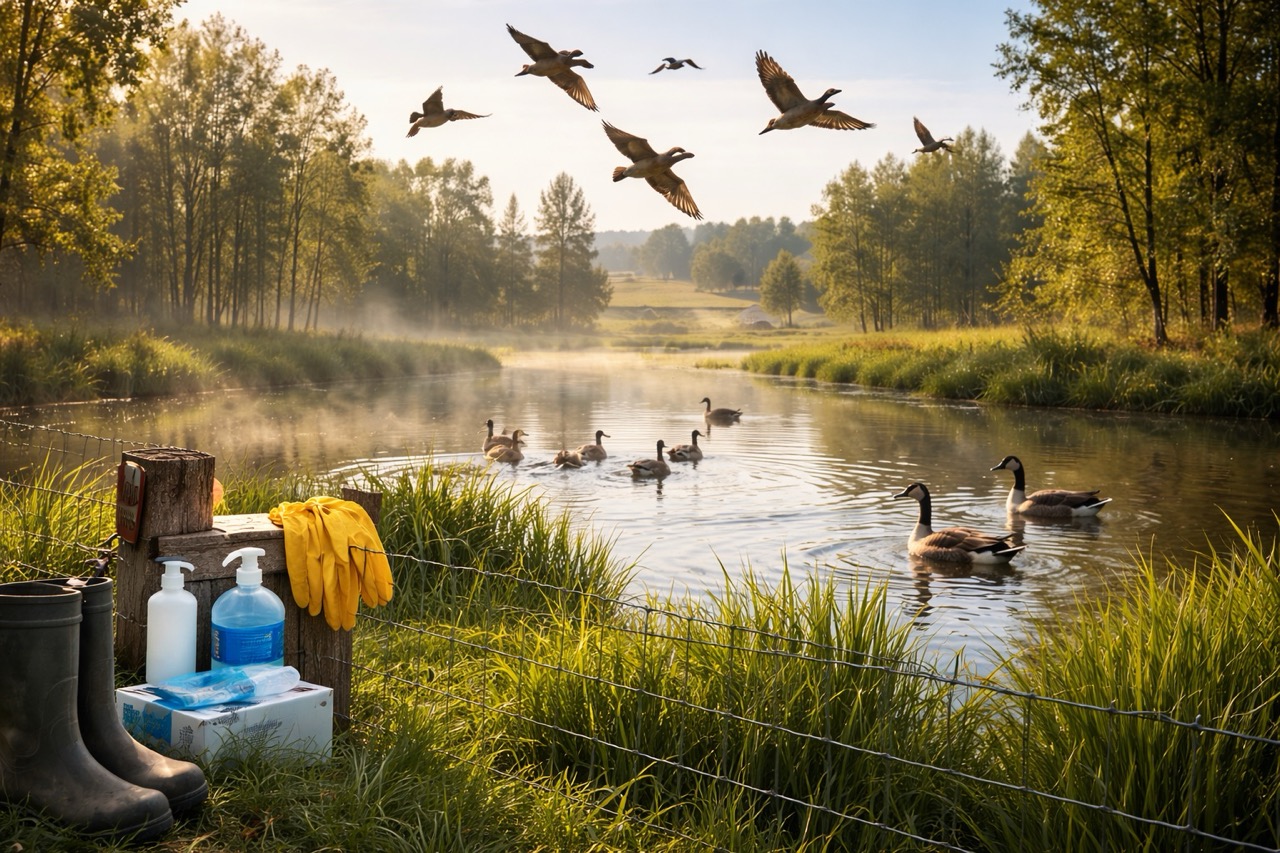
Hunters and bird watchers should take precautions, including wearing gloves when handling birds or equipment, washing hands thoroughly after contact, and avoiding consumption of birds that appear sick or were found dead.
Who to Call
Wild bird activity: Report concentrations of sick or dead wild birds, or other unusual activity, to the Arkansas Game and Fish Commission at:
agfc.com/education/avian-influenza/
Backyard or commercial poultry: Report suspected or confirmed poultry illness or deaths to the Arkansas Department of Agriculture’s sick bird hotline at (501) 823-1746.
Biosecurity for Bird Owners
Poultry growers should follow basic biosecurity practices to reduce the risk of HPAI. These include washing hands and footwear before and after contact with birds, restricting visitors to poultry areas, limiting exposure to wild birds, and quarantining new birds for at least two weeks before introducing them to existing flocks.
Human Health Precautions
Although human cases of HPAI are rare, people exposed to infected birds or contaminated environments should wash hands thoroughly with soap and water and wear appropriate protective equipment if handling birds is necessary.
Anyone who develops flu-like symptoms after exposure to birds or other animals potentially infected with HPAI should contact the Arkansas Department of Health (ADH) Zoonotic Disease Section at (501) 280-4136 or adh.zoonotic@arkansas.gov. ADH can coordinate appropriate testing and, if indicated, post-exposure antiviral treatment.
To help prevent unnecessary exposure to others and ensure proper evaluation, individuals are encouraged to contact ADH before seeking in-person medical care.