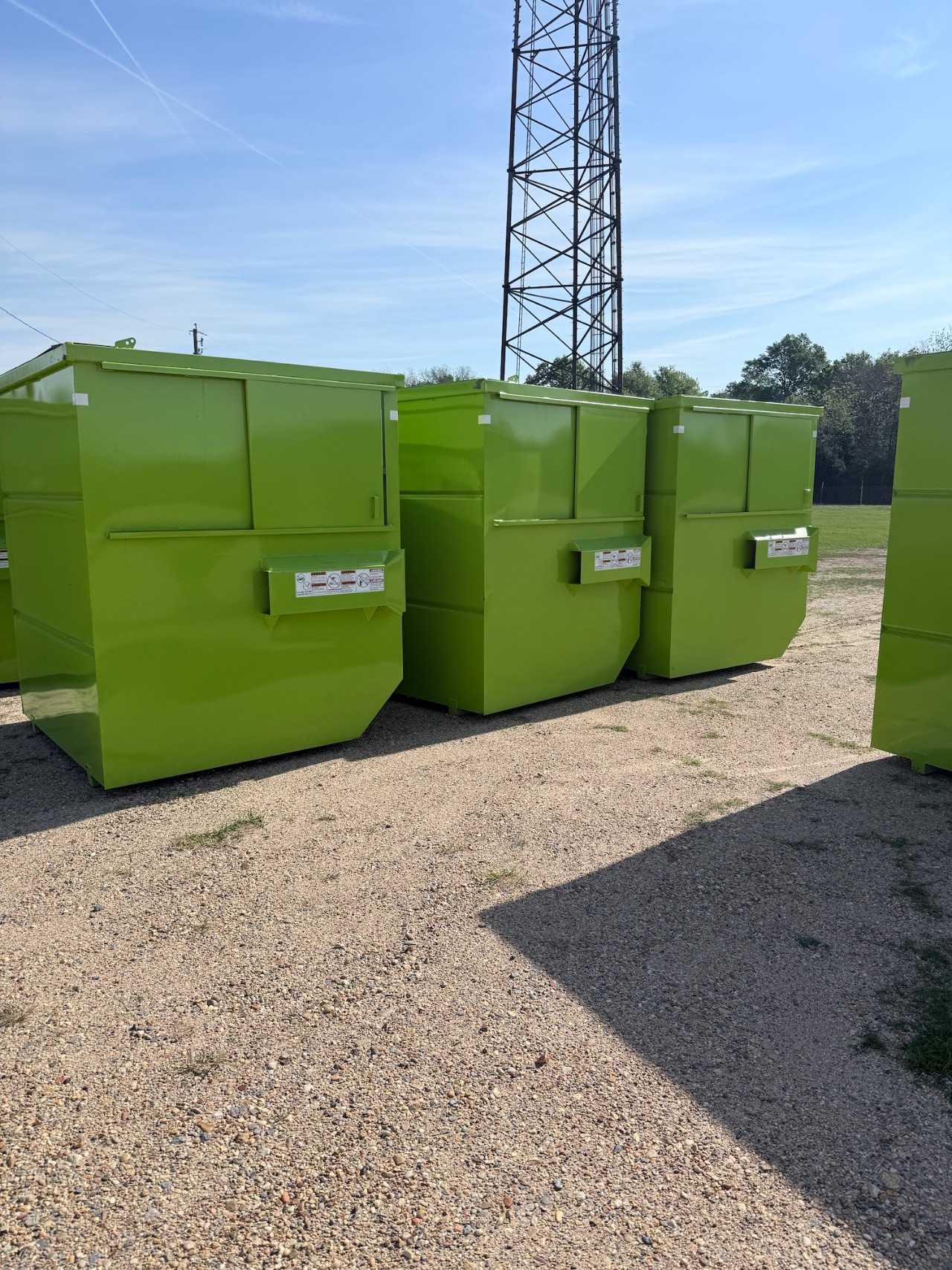


The Arkansas Department of Agriculture’s Abandoned Pesticide Program collected 242,015 pounds of unwanted pesticides during recent collection events in Clay, Crittenden, Cross, Greene, Jackson, and White counties. With this year’s collection events, the program has safely removed more than 7.2 million pounds of unwanted pesticides since its launch in 2005.
“The Arkansas Department of Agriculture is proud to work with our partners in administering the Agricultural Abandoned Pesticide Program,” said Arkansas Secretary of Agriculture Wes Ward. “These collection events provide farmers and landowners with a safe, efficient way to dispose of pesticides they no longer need while protecting Arkansas’s natural resources.”
“These collection events provide an important service to producers across Arkansas, and we’re committed to working with partners statewide to ensure they operate efficiently,” said Corey Seats, Plant Industries Division Director. “This effort plays a vital role in supporting our state’s largest industry.”
The collection events are offered at no cost to farmers and other non-industrial landowners. The program is funded through pesticide registration fees, and events have been held in all 75 counties. Tentative plans for fall 2026 include collection events serving Crawford, Franklin, Johnson, Logan, Scott, and Sebastian counties.
Commonly collected items include old or outdated pesticides such as calcium arsenate, sodium cyanide, lindane, chlordane, and 2,4,5-T. Registered pesticides, like glyphosate products and 2,4-D, that are unusable because they have been exposed to the elements or have been held over from previous growing seasons also can be collected.
The Agricultural Abandoned Pesticide Program is conducted in cooperation with the University of Arkansas Cooperative Extension Service, Arkansas Farm Bureau, and the Arkansas Department of Energy and Environment.
About the Arkansas Department of Agriculture
The Arkansas Department of Agriculture is dedicated to the development and implementation of policies and programs for Arkansas agriculture, forestry, and natural resources to keep its farmers and ranchers competitive in national and international markets while conserving natural resources and ensuring safe food, fiber, and forest products for the citizens of the state and nation. For more information, visit agriculture.arkansas.gov/.