



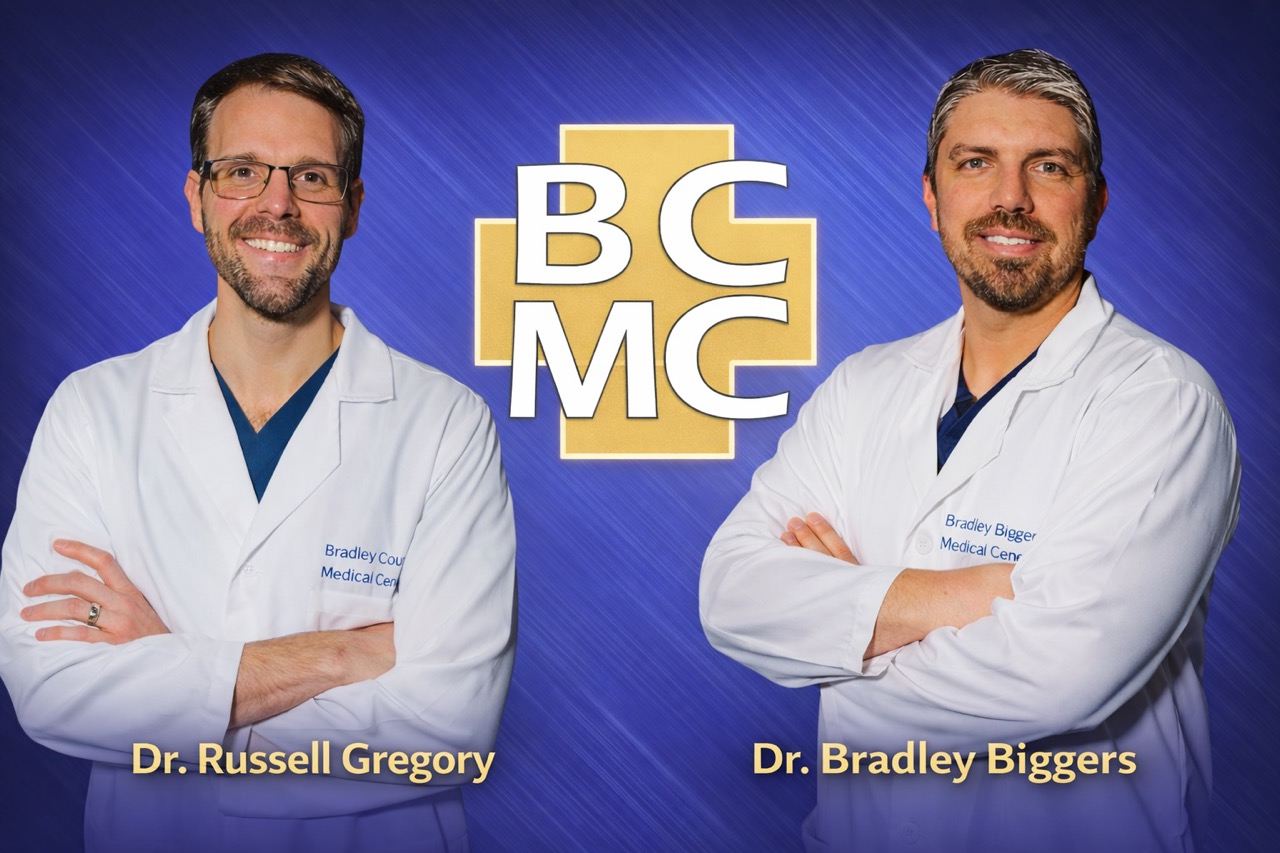
Welcome back, everyone. It’s Dr. Biggers with BCMC Rural Health Clinic. Due to the recent heat wave we’ve been experiencing here in South Arkansas, I thought it would be pertinent to discuss how to recognize and treat heat-related injuries.
During the summer, sweating and feeling tired after working outdoors may seem normal. However, heat-related illness can develop quickly while mowing, farming, working construction, playing sports, or simply spending too long outside. Recognizing the difference between heat exhaustion and heat stroke could save a life.
Heat Exhaustion
Heat exhaustion occurs when the body loses too much water and salt through heavy sweating. Warning signs include weakness, dizziness, headache, nausea, muscle cramps, heavy sweating, and cool, pale, or clammy skin. A person may also have a fast pulse or feel as though they might pass out.
Anyone showing these symptoms should stop physical activity and move to an air-conditioned building or shaded area. Loosen unnecessary clothing and cool the person with wet towels, fans, or a cool shower. If the person is awake and able to swallow normally, have them slowly sip cool water or an electrolyte-containing drink.
Seek medical attention if the person is vomiting, symptoms are worsening, or they do not improve within about an hour. Heat exhaustion can progress to heat stroke if it is not treated.
Heat Stroke
Heat stroke is a medical emergency. It occurs when the body can no longer control its temperature. Signs may include a body temperature of 103–104°F or higher, confusion, unusual behavior, slurred speech, severe headache, loss of coordination, seizures, or unconsciousness. The skin may be hot and either dry or sweaty.
Call 911 immediately if heat stroke is suspected. Move the person into the shade or air conditioning and begin cooling them while help is on the way. Remove excess clothing and use cool water, wet towels, fans, or ice packs around the neck, armpits, and groin.
Do not force fluids into someone who is confused, unconscious, or unable to swallow safely.
Prevention
Heat illness is often preventable. Drink water regularly rather than waiting until you feel thirsty. Take frequent breaks in the shade or air conditioning, wear lightweight clothing, and avoid the hottest part of the day when possible. Older adults, young children, outdoor workers, athletes, and people with chronic medical conditions require additional caution.
Certain medications can also increase your risk of heat-related illness, including diuretics, commonly called water pills, beta-blockers, and some allergy and psychiatric medications. If you take daily medications, talk with your healthcare provider about whether you need to take extra precautions in the heat.
Never leave children or pets in a parked vehicle, even for a short time. Temperatures inside a car can rise dangerously within minutes, even with the windows cracked.
Most importantly, pay attention to your body and the people around you. Confusion or altered behavior in the heat should never be dismissed as someone simply “getting too hot.” Treat it as an emergency.
If you have questions, come see us at BCMC Rural Health Clinic, located at 304 E. Central Street in Warren. Call (870) 226-8636 to schedule an appointment—walk-ins are always welcome. If you are experiencing a medical emergency, call 911 or go to your local emergency room.
BCMC Rural Health Clinic — Where Healthcare Close to Home Matters
—Dr. B