



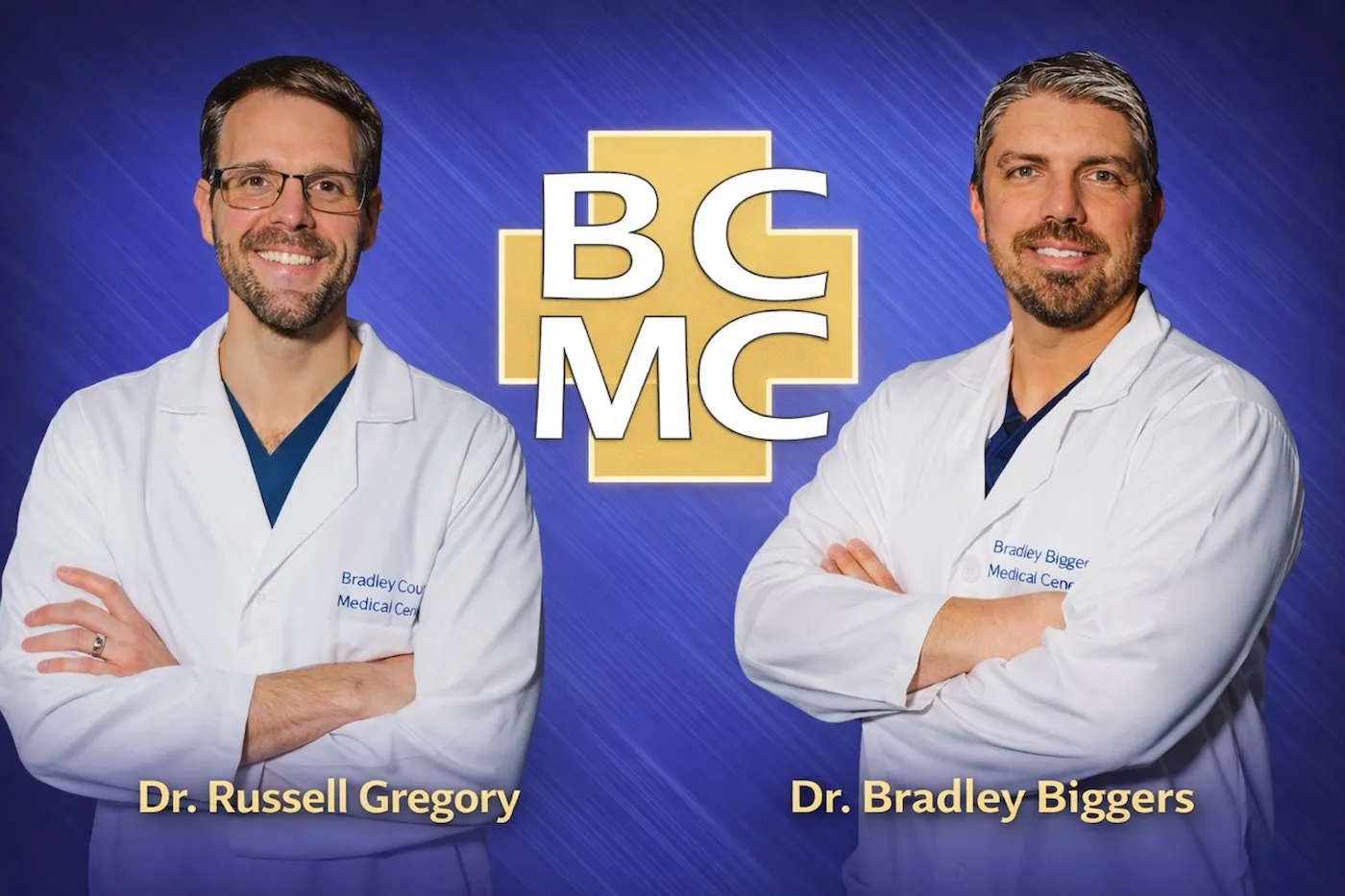
By Dr. Bradley Biggers
For many families across South Arkansas, November means one thing: deer season.
Hunters will head into the woods before sunrise, hoping to bring home a trophy buck or fill the freezer with venison for the upcoming year. While most hunters spend plenty of time preparing their rifles, checking their stands, and scouting their hunting spots, it’s just as important to prepare for something often overlooked: their health and safety.
Your Heart May Be Working Harder Than You Think
Hunting may not seem like strenuous exercise, especially if you spend most of the morning sitting in a deer stand. However, walking through rough terrain, carrying equipment, and dragging a deer out of the woods can place significant demands on your cardiovascular system.
For individuals with underlying heart disease, high blood pressure, or poor physical conditioning, sudden strenuous activity can increase the risk of a heart attack. Colder temperatures can also constrict blood vessels, placing additional strain on the heart.
Hunters should recognize warning signs such as chest pain or pressure, unusual shortness of breath, dizziness, nausea, or sudden weakness. These symptoms should never be dismissed as simply being tired or out of shape.
If you haven’t been physically active in several months, dragging a 200-pound buck through the woods probably shouldn’t be your first major workout of the year. Take breaks, ask for help, and know your physical limits.
Tree Stand Safety Can Save Your Life
Falls from elevated tree stands are among the most serious injuries associated with deer hunting. Even experienced hunters can suffer life-changing injuries from slippery steps, faulty equipment, or a momentary loss of balance.
Inspect your stand regularly, checking straps, ladders, and platforms for wear or damage. When in a climbing stand, always use a properly fitted full-body safety harness and remain connected to an appropriate fall-arrest system whenever you’re off the ground.
Many falls occur while climbing into or out of a stand. Use a haul line to raise and lower your unloaded firearm rather than carrying it while climbing. Never climb into a stand while impaired by alcohol or other substances.
Be Careful When Cleaning and Processing Your Deer
Once you’ve harvested a deer, take precautions when field dressing and processing the animal. Use a sharp knife, cut away from your body, and avoid rushing, especially with cold or slippery hands. Wear disposable gloves, avoid handling the brain and spinal cord, and thoroughly clean your hands, knives, and equipment afterward.
Wash any cuts promptly with soap and running water, and seek medical attention for deep wounds, persistent bleeding, or signs of infection. Keep your tetanus vaccination up to date.
Have a Plan Before Heading Into the Woods
One of the greatest challenges during a hunting-related medical emergency is getting help quickly. Cell service can be unreliable in remote areas, and an injured hunter may be unable to return to their vehicle.
Before leaving, tell someone where you’re hunting and when you expect to return. Carry a charged phone, know your location, and consider hunting with a partner. If someone develops symptoms of a possible heart attack, suffers a serious fall, or experiences another medical emergency, call 911 immediately.
A Safe Hunt Is a Successful Hunt
Deer season is a tradition that brings families and friends together across our communities. A little preparation, awareness of your physical limitations, and a few simple precautions can help ensure that the most memorable part of your hunt is the deer you bring home, not a trip to the emergency room.
If you have questions please come see us at BCMC Rural Health Clinic, 304 E Central in Warren. Call 870 226-8636 for an appointment—walk-ins are always welcome.
BCMC Rural Health Clinic: Where health care close to home matters.