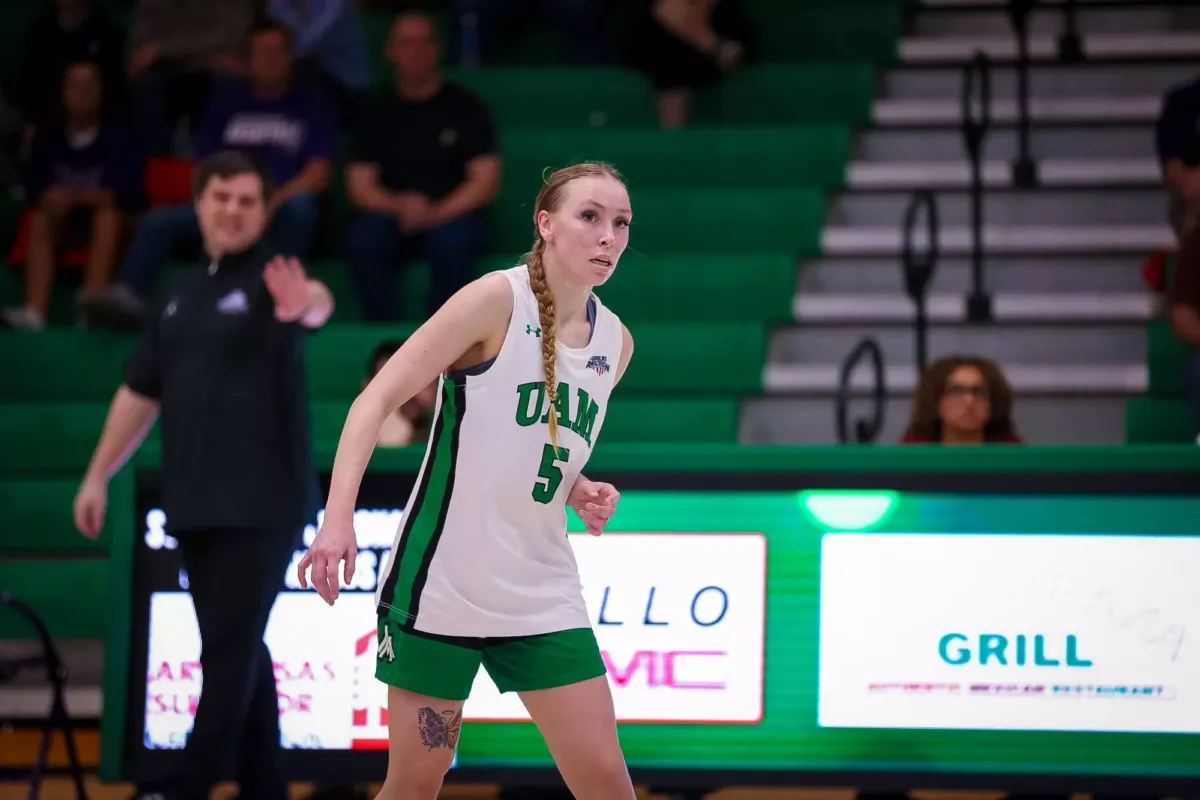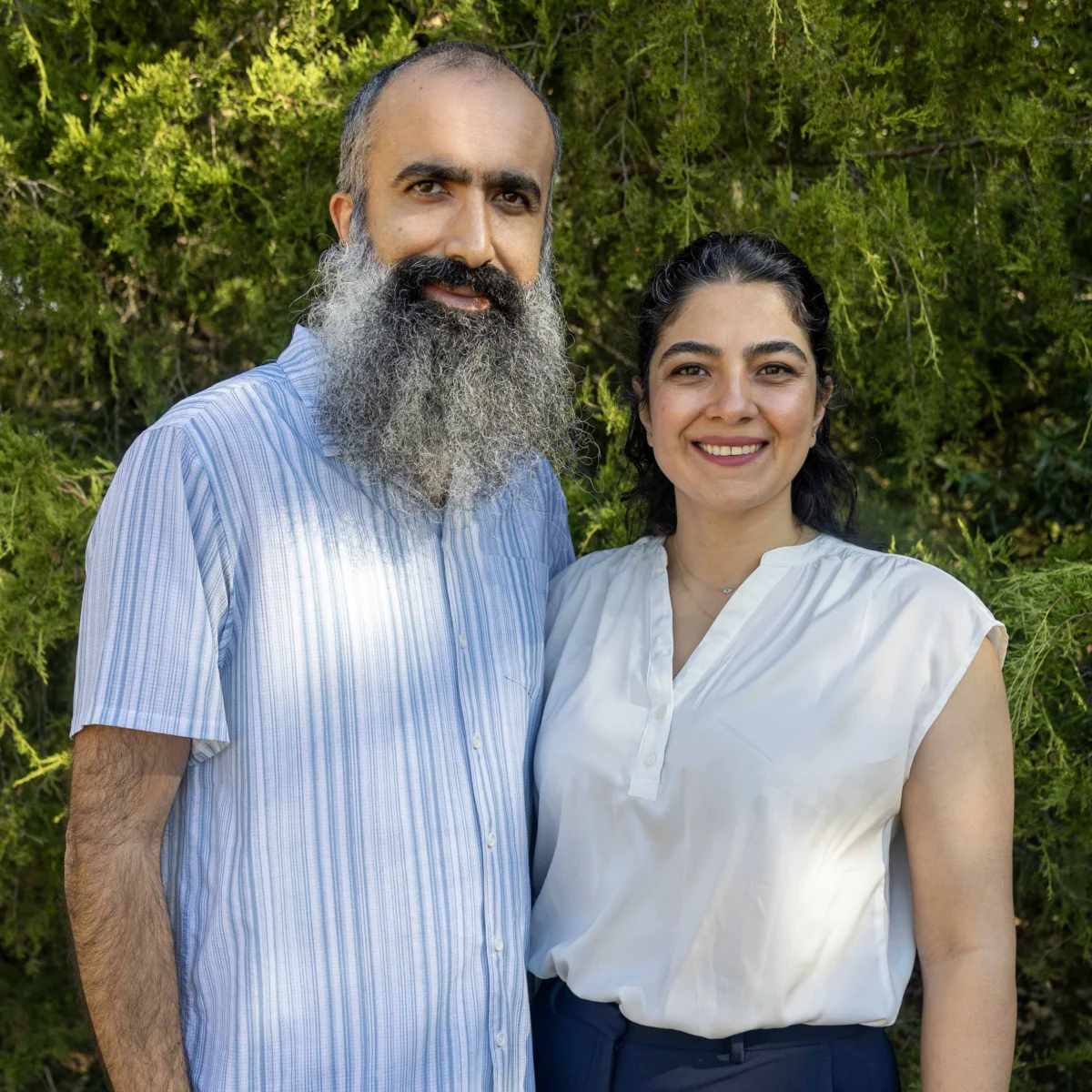




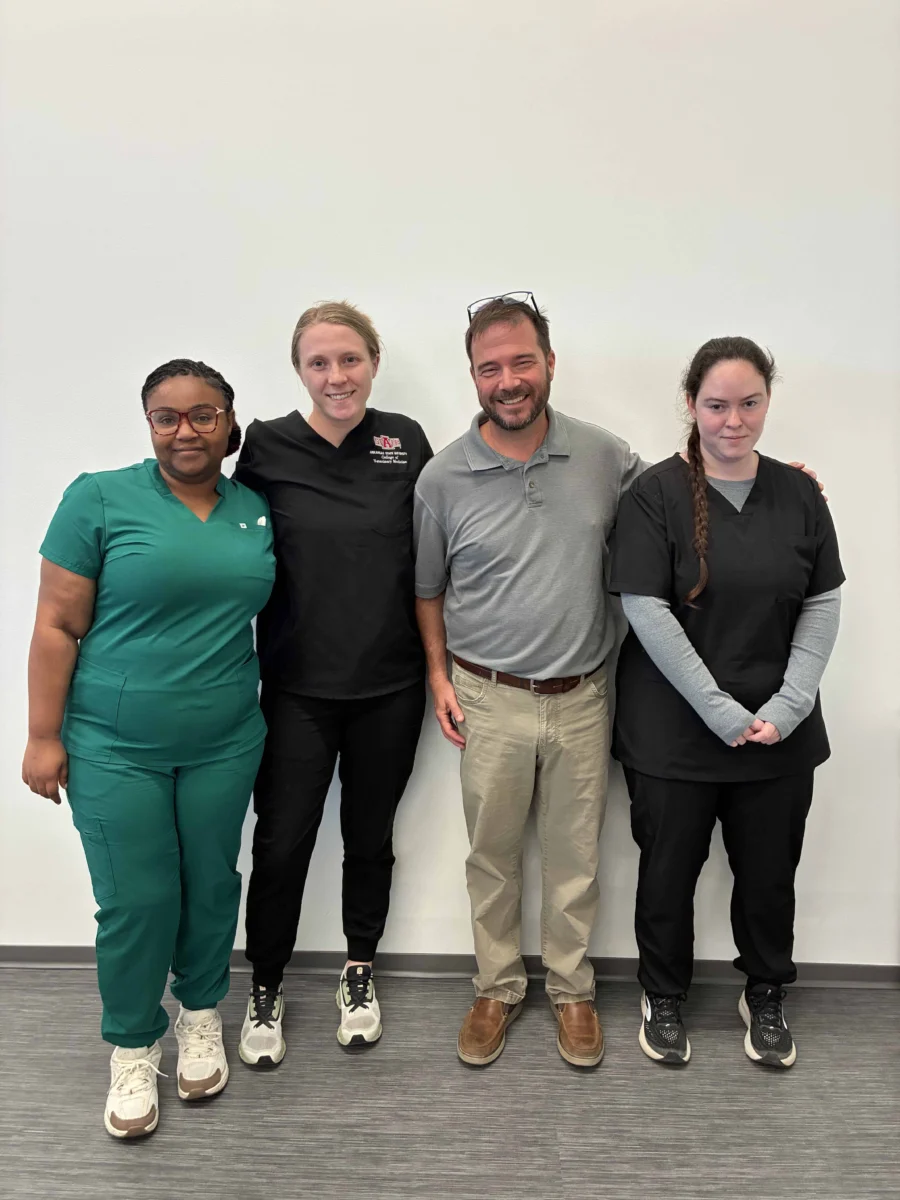
Three University of Arkansas at Monticello pre-veterinary students reached an important milestone in their academic journeys this fall, joining the inaugural class of Arkansas State University’s College of Veterinary Medicine.
Carley George of Warren, Arkansas, Kiara Jackson of Dumas, Arkansas, and Shea Goodwin of Greenwood, Arkansas, began their veterinary studies in August.
The three students credit UAM’s animal science program with helping prepare them for the next step in their education through coursework, hands-on experiences and faculty support.
“I think we have one of the top programs in the state,” said Dr. Rocky Lindsey. “We have been very successful at getting students who put in the work accepted into veterinary school. Our students have a lot of opportunities for hands-on training with cattle, sheep and horses.”
George grew up around livestock and small animals, and her interest in veterinary medicine was influenced by the care a veterinarian provided to one of her family’s animals.
At UAM, George said her animal science courses provided a strong foundation in areas such as anatomy, physiology, nutrition, reproduction, genetics and production. Lindsey described George as highly intelligent with a strong passion for caring for animals and praised her determination throughout her academic journey.
As she begins veterinary school, George hopes to combine mixed-animal practice with shelter medicine and eventually return to southeast Arkansas.
For students considering veterinary school, George encourages them to listen to their professors and advisors, ask questions and take their animal science courses seriously.
Growing up in an agricultural community, Jackson became increasingly aware of the connection between animal welfare and public health. Her time at UAM provided valuable hands-on experience and broadened her understanding of the role veterinary medicine can play in agricultural and rural communities.
One experience that made a lasting impression was a veterinary mission trip to Belize with Lindsey. Jackson said the trip helped her see the impact veterinary medicine can have in underserved areas.
Lindsey described Jackson as a determined student who overcame serious obstacles to fulfill her goal of attending veterinary school.
Jackson plans to pursue mixed-animal practice, with interests in food animal medicine, public health, parasitology and theriogenology. She encourages students interested in veterinary medicine to build strong relationships with their professors, gain a variety of experiences and become involved both inside and outside the agriculture department.
Goodwin was drawn to veterinary medicine by its fast-paced nature and the variety of patients and cases the profession offers.
During her time at UAM, she credited Lindsey with supporting her throughout her undergraduate years, including helping her navigate the Veterinary Medical College Application Service process and providing additional learning opportunities at the university farm. Lindsey described Goodwin as driven and determined, noting that she successfully competed in a Division II sport while also preparing herself to become a strong veterinary school candidate.
Looking ahead, Goodwin is interested in mixed-animal medicine and said the need for veterinarians who can travel to farms and treat livestock is especially important in rural communities.
After a lengthy application journey, beginning veterinary school this fall was an exciting milestone. Goodwin encourages other students not to become discouraged if they are not accepted on their first attempt.
“Keep going even if you don’t get in the first time,” Goodwin said. “Make sure you have a lot of clinical experience; however, you also need volunteer work and things of that nature as well.”
Studying Pre-Vet at UAM
UAM’s pre-veterinary emphasis is offered through the animal science program in the College of Forestry, Agriculture and Natural Resources. The program combines the science coursework needed to prepare for veterinary school with practical experience in animal care, health and production.
Through animal science labs and work at the university farm, students gain hands-on experience with both large and small animals. Learning opportunities have included cattle palpation and ultrasound labs, small-ruminant training, small animal care through local animal shelters and cattle artificial insemination.
Faculty mentorship is also an important part of students’ preparation. In addition to helping students navigate the veterinary school application process, faculty connect them with opportunities to expand their experience beyond the classroom, including veterinary clinic work, specialized training and service opportunities.
Lindsey said the hands-on opportunities available through UAM’s pre-veterinary program are an important part of preparing students for veterinary school. Although their paths to veterinary medicine were different, each student developed a strong interest in animal care and found opportunities at UAM to further that interest.
Academics,College of Forestry, Agriculture and Natural Sciences
Article courtesy of the University of Arkansas at Monticello.