

The U.S. Department of Agriculture’s (USDA) Animal and Plant Health Inspection Service (APHIS) has confirmed the detection of New World Screwworm (NWS) in two calves in Zavala County, Texas.
While there have been no confirmed detections in Arkansas, state officials are urging livestock producers, pet owners, and others who work with animals to remain vigilant and take preventive measures.
What is New World Screwworm?
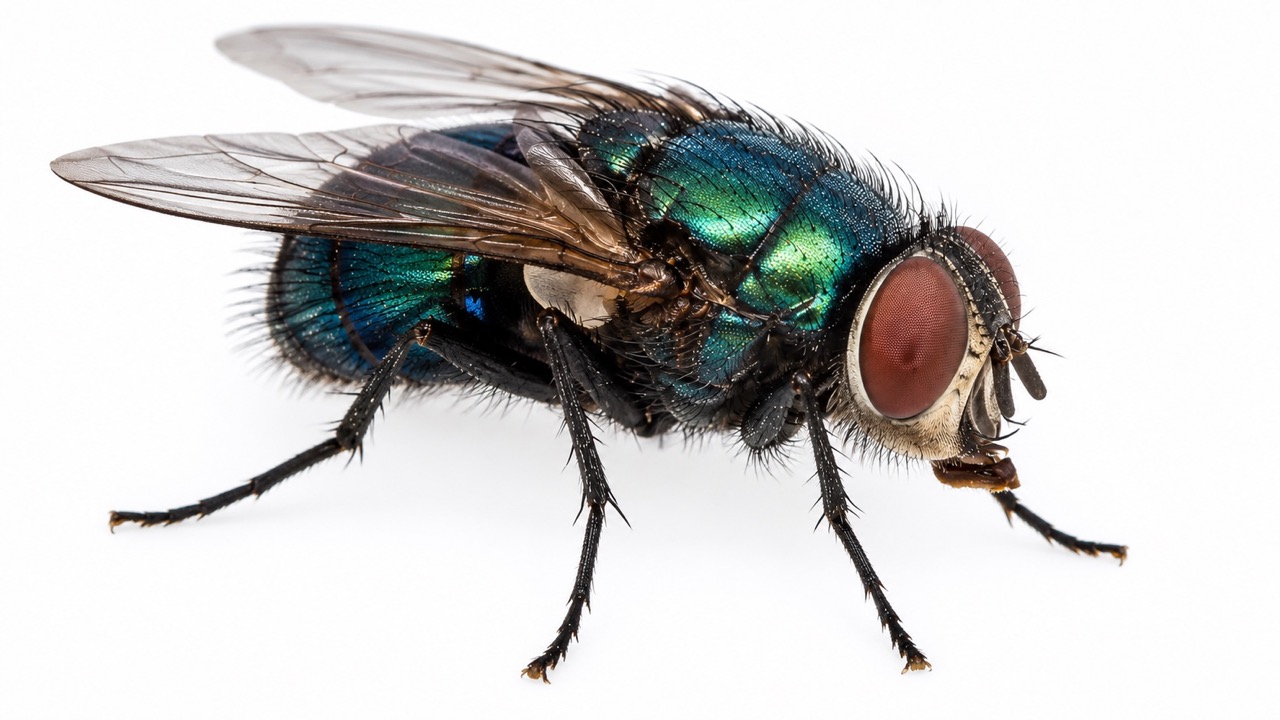
New World Screwworm is a dangerous parasitic fly whose larvae, commonly known as maggots, feed on the living tissue of warm-blooded animals. If left untreated, infestations can cause severe tissue damage and may be fatal.
All warm-blooded animals are susceptible, including livestock, pets, wildlife, and, in rare cases, people and birds.
Signs to Watch For
Animal owners should monitor for wounds that fail to heal, foul-smelling discharge, tissue damage, or visible maggots in and around wounds.
Affected animals may also appear lethargic, lose their appetite, or show signs of pain and discomfort. Because infestations can worsen rapidly, prompt attention is critical.
High-Risk Situations
Certain situations can increase the risk of NWS infestation, including:
- Branding
- Castration
- Dehorning
- Recent births with open navels
- Predator-inflicted wounds
- Surgical sites
- Stress associated with transportation or sale events
These conditions can create opportunities for screwworm flies to lay eggs and establish infestations.
What to Do if You Suspect NWS
If NWS is suspected, producers should immediately isolate the affected animal and avoid moving any animals off the property.
Officials warn that animal movement can rapidly spread the pest to new locations.
Anyone who suspects an infestation should contact their veterinarian or the Arkansas Department of Agriculture at 501-225-1598 or by email at info@agriculture.arkansas.gov for guidance on reporting, sample submission, and treatment.
Prevention is Key
Preventive measures remain the most effective defense against NWS.
Officials recommend:
- Monitoring animals daily during fly season
- Promptly treating all wounds
- Maintaining clean facilities
- Reducing fly breeding areas, including accumulated manure
- Using consistent fly-control practices
Keeping animals healthy and minimizing wounds can significantly reduce the risk of infestation.
Potential Response in Arkansas
If NWS is confirmed in Arkansas in the future, state and federal agencies would implement a coordinated response that could include quarantines, movement restrictions, and surveillance zones designed to contain and eliminate the pest.
Officials say these measures would help protect animal health and prevent further spread.
Texas Response Underway
USDA and Texas officials are actively working to contain and eradicate the infestation in Texas.
Current efforts include quarantines, movement controls, active surveillance, increased trapping, and the targeted release of sterile screwworm flies to reduce the pest population.
New Requirements for Animals Entering Arkansas from Texas
Although Arkansas has no confirmed cases of NWS, new restrictions have been implemented for animals entering the state from Texas.
Animals originating from affected areas in Texas will be subject to federal NWS response guidance, and a state entry permit will be required before entering Arkansas.
Additionally, all warm-blooded animals entering Arkansas from Texas must be accompanied by an Interstate Certificate of Veterinary Inspection (iCVI) issued within seven days of entry.
The certificate must include the statement:
“All animals were inspected and found free of evidence of NWS infestation.”
Group-housed food-producing animals may be visually inspected within their group settings in accordance with federal guidance. Individual inspections are required for all other animals.