



By Ryan McGeeney
University of Arkansas Division of Agriculture
LITTLE ROCK — Historically small herds, record market prices and the return of the New World Screwworm within U.S. borders have already made 2026 a volatile year for U.S. cattle producers.
On Aug. 26, the puzzle became even more complicated when President Donald J. Trump signed a proclamation allowing of up to 300,000 additional metric tons of lean beef trimmings to come into the country at a lower tariff rate during a 90-day window.
Imported lean beef trimmings are often used to supplement U.S. ground beef production.
The proclamation also specified that this additional imported beef be sold at 25 percent below current market prices, although Mitchell said that how the discount will work is unclear.
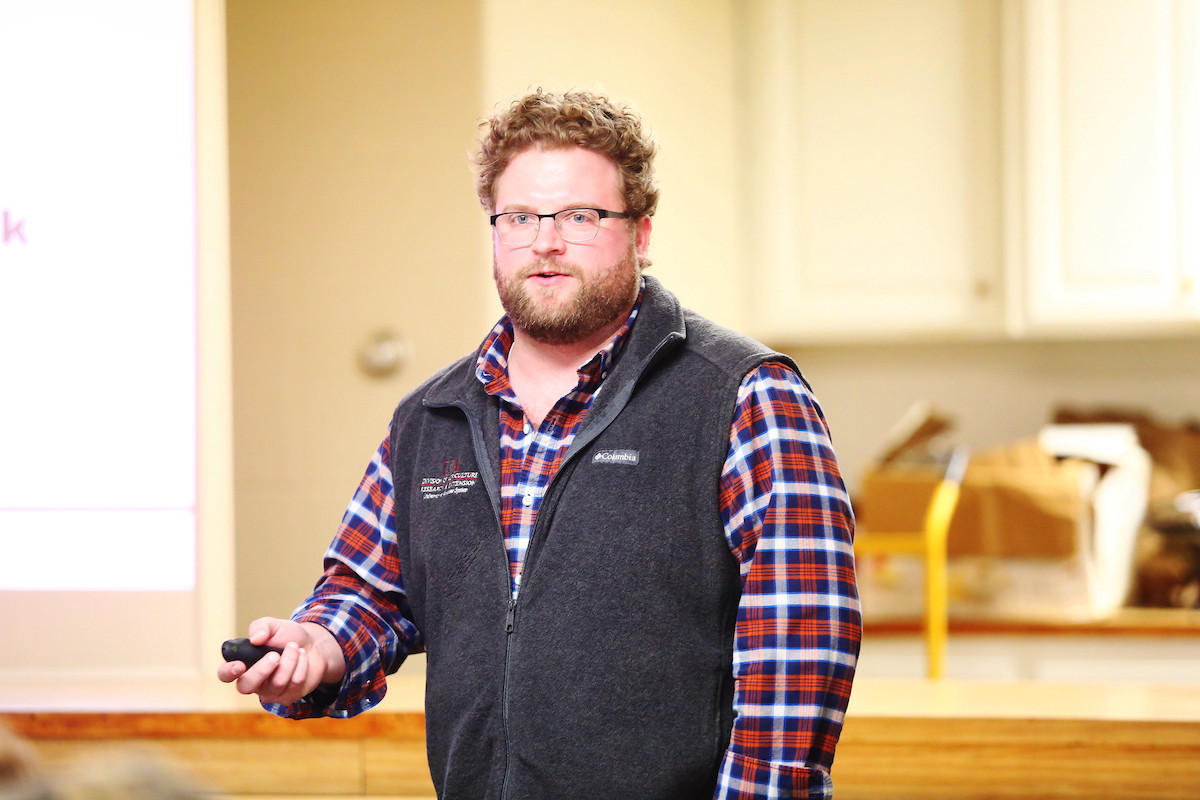
James Mitchell, extension economist for the University of Arkansas Division of Agriculture, said that even before Trump’s original Aug. 21 announcement, the U.S. cattle market was experiencing heightened price volatility.
“It’s been a crazy few weeks, with a lot of news about external factors leading to some large price swings,” Mitchell said. “Fundamentally, cattle and beef prices have remained strong because the United States simply has fewer cattle.
“At the same time, producers are facing higher input costs, particularly for fuel and fertilizer, expanding drought conditions, continued uncertainty surrounding Mexican feeder cattle imports and changes in the beef packing sector. All of this has made it difficult for producers who are considering the trade-offs of expanding their herd,” he said.
Between the initial Aug. 21 announcement and the Aug. 26 proclamation signing, caveats were added that limited the affected imports to no more than 100,000 metric tons per month for each of the three-month window. Also, the proclamation does not apply to countries with country-specific quotas, Mitchell said.
Mitchell said that consumer beef prices are directly tied to the historically small size of U.S. cattle herds combined with high demand.
“Imports have helped supplement domestic beef supplies to an extent, mainly lean beef trimmings that are blended with domestic beef for ground beef production,” he said.
In an article first appearing in Southern Ag Today, Mitchell and several co-authors noted that elevated input prices, changes in the beef packing sector and the ongoing war with Iran have also contributed to a general sense of market uncertainty among producers. The tariff suspension could exert additional downward pressure on cattle prices.
“300,000 metric tons is a lot of beef,” he said. “If all of that were additional to imports already forecast for 2026, it would increase annual beef imports by about 11 percent and total domestic beef supplies by about 2 percent.”
Since some of that beef was likely going to be imported anyway, however, Mitchell said 300,000 metric tons is an “ambitious” upper limit.
“The largest direct impacts will likely be on lean beef trimmings and cull cow prices,” he said.
Mitchell said the impact on consumers is harder to predict.
“Additional imports could help lower some beef prices, particularly products tied to ground beef, but it is unclear how much of that would reach consumers at the grocery store,” he said. “It is very unclear how the policy will be implemented. The United States does not buy and sell beef — companies do.”
Over the past year and a half, the Trump administration has imposed, reduced, escalated and suspended tariffs affecting agricultural and other goods. Mitchell said the process has begun to resemble a game of “whack-a-mole.”
“I think the back-and-forth itself tells us something about how well this has worked for both producers and consumers,” he said. “Tariffs have contributed to higher costs for many consumer goods, and then when the price of a particular product becomes a concern, we lower tariffs or expand tariff-rate quotas on that product to bring prices back down.”
Mitchell said the biggest concern in the ongoing trade and tariff environment is that the sheer volume of uncertainty could slow the process of rebuilding U.S. cattle herds.
“Producers were already weighing high input costs and drought conditions when deciding whether to retain heifers,” Mitchell said. “Adding the possibility of unexpectedly lower cattle prices and increased volatility makes that long-term investment less attractive.
“That creates tension in the market,” he said. “Policies that increase beef imports may provide some short-term relief, but if those policies undermine producer confidence enough to delay heifer retention and herd expansion, they can work against increasing domestic beef supplies.”
In addition to Mitchell, the Southern Ag Today article, “That’s A Lot of Beef!,” was authored by Josh Maples, associate professor and assistant director of the Mississippi State University Extension Service; Kenny Burdine, extension professor of livestock economics with the University of Kentucky; and David Anderson, professor and extension specialist with Texas A&M AgriLife.
To learn about extension programs in Arkansas, contact your local Cooperative Extension Service agent or visit uaex.uada.edu. Follow us on Facebook and Instagram. To learn more about the Division of Agriculture, visit uada.edu. To learn more about ag and food research in Arkansas, visit the Arkansas Agricultural Experiment Station at aaes.uada.edu.
About the Division of Agriculture
The University of Arkansas Division of Agriculture’s mission is to strengthen agriculture, communities, and families by connecting trusted research to the adoption of best practices. Through the Agricultural Experiment Station and the Cooperative Extension Service, the Division of Agriculture conducts research and extension work within the nation’s historic land grant education system.
The Division of Agriculture is one of 22 entities within the University of Arkansas System. It has offices in all 75 counties in Arkansas and faculty on three campuses.
Pursuant to 7 CFR § 15.3, the University of Arkansas Division of Agriculture offers all its Extension and Research programs and services (including employment) without regard to race, color, sex, national origin, religion, age, disability, marital or veteran status, genetic information, sexual preference, pregnancy or any other legally protected status, and is an equal opportunity institution.