



By Ryan McGeeneyUniversity of Arkansas Division of Agriculture
LITTLE ROCK — Portions of Arkansas received much-needed rains over the weekend, with some key pockets enjoying rainfall that replaced a final round of irrigation for soybean fields.
According to the National Weather Service office in Little Rock, rainfall from Aug. 22-24 fell predominantly in a north-south pattern over the central third of the state, depositing between 1.5-3 inches of precipitation.
The rainfall came at a precarious time for row crop farmers, as producers growing flooded rice are typically attempting to drain their fields before harvest, and soybean plants are typically in stage R-6, sometimes referred to as the “green bean” stage.
Jarrod Hardke, extension rice agronomist for the University of Arkansas Division of Agriculture, said the rainfall provided “minor benefits to most rice.”
“So much is at harvest or being drained,” Hardke said, adding that Arkansas farmers “needed this rain a month ago.”
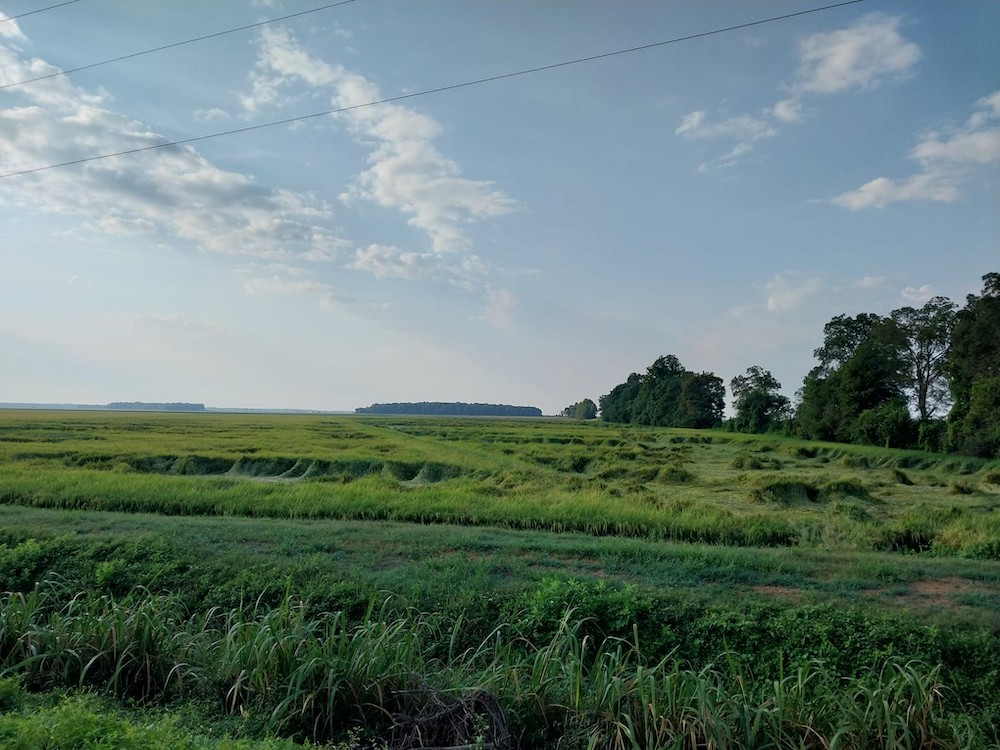
“In northeast Arkansas, the storms led to some severe lodging on certain fields which will create harvest issues,” he said. “Some late fields that were still flooded have bad lodging and will need to be drained prematurely to keep the panicles from dropping into the floodwater.”
Jeremy Ross, extension soybean agronomist for the Division of Agriculture, said the rain was beneficial for both early-planted and late-planted soybean crops, helping to counteract — if not overcome — the season’s extreme heat.
“Temperatures of 100-plus over the past few weeks have really been stressful for much of the soybean acres,” Ross said. “We really need to break out of these temperatures to help the later-planted acres.”
As of Aug. 20, the U.S. Drought Monitor showed about three-quarters of Arkansas counties in some stage of drought, ranging from moderate to exceptional levels.
Jason Kelley, extension wheat and feed grains agronomist for the Division of Agriculture, said further rainfall at this point would not benefit the state’s corn crop, and could in fact impede harvest efforts.
“Rain now is only detrimental and may cause lower quality grain or lodging from winds,” Kelley said. “The recent hot and dry temperatures have been ideal for harvest, as we are well ahead of schedule on harvest.”
Zackery Holloway, Jackson County agriculture extension agent, said that his county received 1-3 inches of rain in isolated areas, with a few rice fields suffering as much as 70 percent lodging.
“It’s not like a hurricane came through, but some rice is down,” Holloway said. “I think some farmers will have a little more of a struggle at harvest, but I don’t think we’ll have any bad losses from this.”
Bryce Baldridge, Lawrence County agriculture agent and staff chair, said the weekend rain was more than welcome.
“We were terribly dry before that came through,” Baldridge said. “The west side of our county is primarily livestock, pasture and hay, and they’re suffering right now. Some of the guys are trying to stockpile bermudagrass for grazing in the winter, and they haven’t gotten near the moisture they need.”
Similarly, pasture managers in Saline County have struggled with their hay crops throughout the summer. Nicole Nichols, Saline County agriculture agent and staff chair, said efforts to produce enough hay and other forage for the winter have been an uphill battle.
“It’s been ridiculous,” Nichols said. “A lot of farmers only got two cuttings this year, when they’d normally get three or four. I think a lot of my producers were already done for the year, because it’s been so dry.”
Nevertheless, Nichols said, the recent rain may help growers hoping to plant fall annuals for grazing.
“We might get a little more grazing out of our hay, but I doubt it,” she said. “It’s been a rough summer.”
To learn about extension programs in Arkansas, contact your local Cooperative Extension Service agent or visit uaex.uada.edu. Follow us on Facebook and Instagram. To learn more about the Division of Agriculture, visit uada.edu. To learn more about ag and food research in Arkansas, visit the Arkansas Agricultural Experiment Station at aaes.uada.edu.
About the Division of Agriculture
The University of Arkansas Division of Agriculture’s mission is to strengthen agriculture, communities, and families by connecting trusted research to the adoption of best practices. Through the Agricultural Experiment Station and the Cooperative Extension Service, the Division of Agriculture conducts research and extension work within the nation’s historic land grant education system.
The Division of Agriculture is one of 22 entities within the University of Arkansas System. It has offices in all 75 counties in Arkansas and faculty on three campuses.
Pursuant to 7 CFR § 15.3, the University of Arkansas Division of Agriculture offers all its Extension and Research programs and services (including employment) without regard to race, color, sex, national origin, religion, age, disability, marital or veteran status, genetic information, sexual preference, pregnancy or any other legally protected status, and is an equal opportunity institution.